
Plastic Surgery Instruments List and Uses (Complete Guide for Clinics and Surgeons)
Introduction
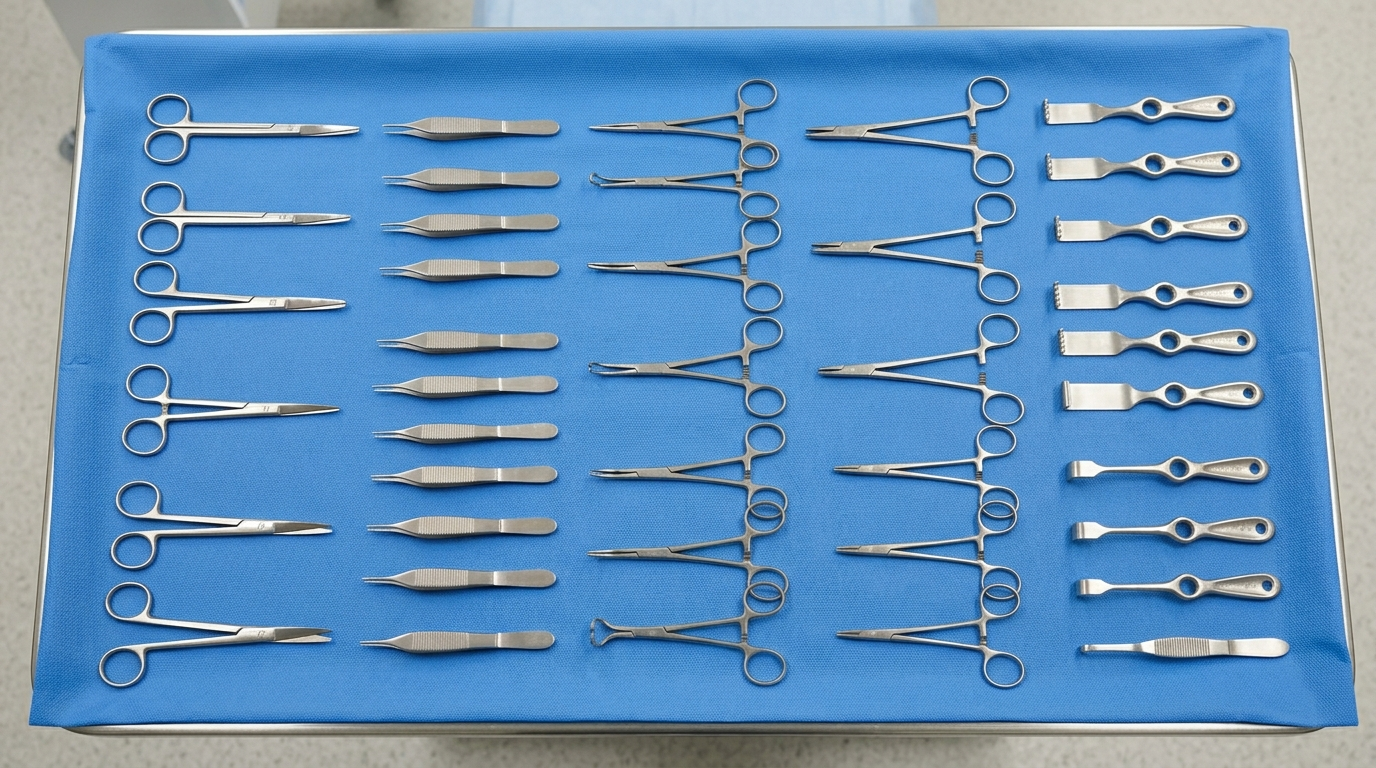
Understanding plastic surgery instruments and their uses is essential for surgeons, clinics, and healthcare buyers. Each instrument is designed for a specific purpose, whether it is cutting, grasping, suturing, or retracting tissue during a procedure.
For medical professionals and buyers in the United States, having a clear understanding of these instruments helps in selecting the right tools, improving efficiency, and ensuring consistent performance in clinical settings.
This guide provides a complete list of surgical instruments along with their common uses.
Table of Contents
What Are Plastic Surgery Instruments?
Surgical instruments are tools used by medical professionals during procedures to perform specific actions such as cutting, holding, retracting, or suturing tissue.
They are categorized based on their function and are designed to provide precision, control, and reliability in medical environments.
Main Categories of Plastic Surgery Instruments
Cutting and Dissecting Instruments
These instruments are used to cut tissue or perform dissection during surgery.
Examples:
- Scalpels
- Surgical scissors (Metzenbaum, Mayo, Iris)
Uses:
- Making incisions
- Cutting soft tissue
- Trimming sutures
Grasping and Holding Instruments
Used to hold or manipulate tissue during procedures.
Examples:
- Forceps (Adson, tissue forceps)
- Hemostats
Uses:
- Holding tissue
- Grasping delicate structures
- Controlling bleeding
Clamping Instruments
Clamps are used to control blood flow or secure tissue.
Examples:
- Hemostatic clamps
- Artery forceps
Uses:
- Controlling bleeding
- Securing vessels
Retracting Instruments
Retractors are used to hold back tissue and improve visibility.
Examples:
- Hand-held retractors
- Self-retaining retractors
Uses:
- Exposing surgical area
- Improving access
- during procedures
Suturing Instruments
Used during wound closure and stitching.
Examples:
- Needle holders
- Suturing forceps
Uses:
- Holding needles
- Closing wounds
Dilating and Probing Instruments
Used to explore or enlarge openings.
Examples:
- Probes
- Dilators
Uses:
- Examining body cavities
- Expanding openings
Common Plastic Surgery Instruments and Their Uses
Scalpel
Used for making precise incisions in tissue.
Metzenbaum Scissors
Used for delicate tissue dissection in plastic surgery and general procedures.
Mayo Scissors
Used for cutting thicker tissue and sutures.
Adson Forceps
Used for grasping delicate tissue with precision.
Needle Holder
Used to hold needles during suturing.
Retractor
Used to hold tissue back for better visibility.
Hemostat
Used to control bleeding by clamping blood vessels.
Plastic Surgery Instruments Used in Plastic Surgery
Plastic surgery requires more refined instruments for delicate procedures.

Common tools include:
- Fine scissors
- Tissue forceps
- Needle holders
- Elevators
- Retractors
These instruments are designed for precision and minimal tissue damage.
How to Choose the Right Plastic Surgery Instruments
Quality Material
Choose instruments made from surgical-grade stainless steel for durability and corrosion resistance.
Precision Design
Ensure instruments are designed for fine control and accurate handling.
Intended Use
Select instruments based on the specific procedure.
Supplier Reliability
Work with suppliers who provide consistent quality and reliable supply.
Where to Buy Plastic Surgery Instruments in the USA
Plastic Surgery instruments can be purchased from trusted suppliers that offer both individual and bulk purchasing options.
Healthcare professionals and buyers in the USA should look for:
- Reliable quality
- Fast shipping
- Bulk pricing options
- OEM and private label services
What you get at the end
Plastic Surgery instruments play a critical role in every medical procedure. Understanding the different types of instruments and their uses helps healthcare professionals and buyers select the right tools for their needs.
From cutting and grasping tools to suturing and retracting instruments, each category serves a specific function in ensuring precision and efficiency.
Choosing high-quality instruments from a reliable supplier is essential for long-term performance and clinical success.
Explore High-Quality Plastic Surgery Instruments
Browse our full range of plastic surgery instruments or request a quote for bulk pricing, OEM manufacturing, and private label solutions.


